Parking lots, private roads, and driveways all experience wear over time. Heavy traffic, changing weather, water intrusion, and aging materials eventually lead to cracks, potholes, and surface deterioration. Once these issues become noticeable, property owners often face an important decision: should the pavement receive an overlay, or is a complete replacement the better investment?
Understanding asphalt overlay vs replacement can help you make a cost-effective decision based on your pavement’s condition, expected lifespan, and long-term maintenance goals. While both options improve appearance and performance, they solve different problems and are appropriate under different circumstances.
Understanding Asphalt Overlay vs Replacement
When comparing asphalt overlay vs replacement, the biggest difference is how much of the existing pavement is removed.
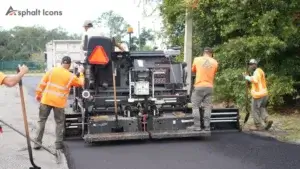
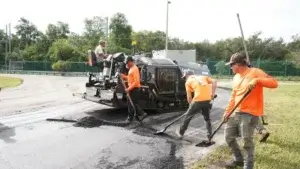
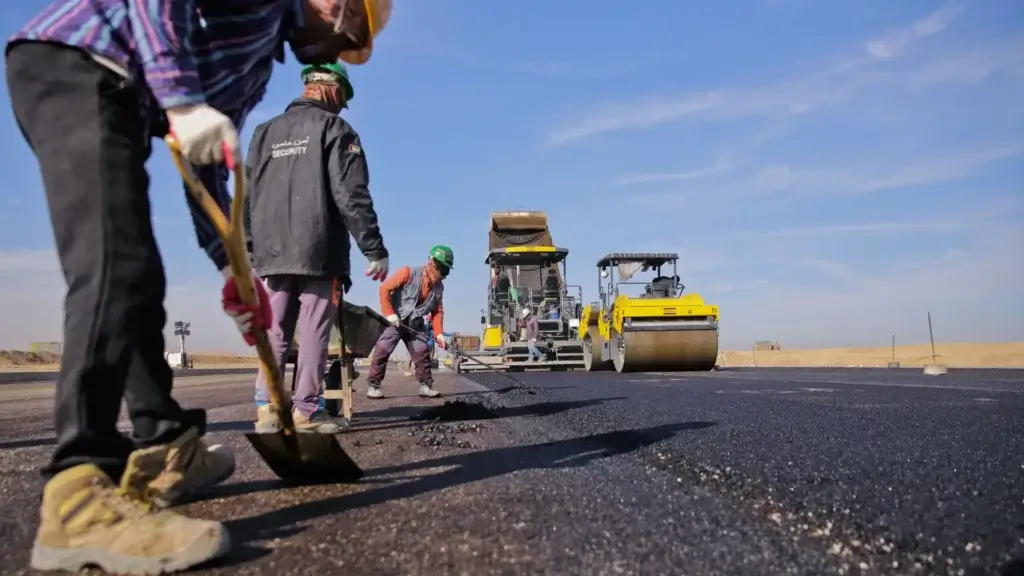
An asphalt overlay involves placing a new layer of asphalt over the existing surface after completing any necessary repairs and preparing the pavement. This process restores a smooth driving surface and improves curb appeal without removing the entire pavement structure.
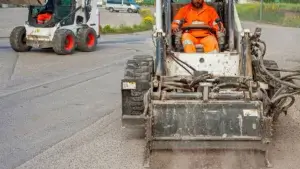
A full replacement removes the existing asphalt and, when necessary, repairs or rebuilds the underlying base before installing entirely new pavement. This option addresses both surface damage and structural failures that cannot be corrected with an overlay.
Choosing between these two solutions depends on the overall condition of your pavement rather than its appearance alone.
When to Choose an Overlay
An asphalt overlay is often a practical option when the pavement foundation remains stable and the damage is primarily limited to the surface.
Common situations where an overlay may be appropriate include:
- Minor to moderate surface cracking
- Weather-related wear
- Slight oxidation or fading
- Small areas of rutting that can be repaired beforehand
- Pavement with a solid, well-draining base
During the overlay process, damaged areas are repaired, the surface is cleaned, and the new asphalt layer is installed to create a fresh, uniform finish.
One of the biggest advantages of an overlay is that it typically requires less time and fewer materials than a complete replacement. It also extends pavement life while restoring a clean, professional appearance.
Even so, an overlay cannot fix structural problems hidden beneath the surface. If the underlying pavement continues to fail, those issues can eventually appear through the new asphalt.
When Asphalt Replacement Is the Better Choice
There are times when comparing asphalt overlay vs replacement leads to a clear answer. If the pavement has widespread structural damage, replacement is usually the more practical long-term solution.
Signs that replacement may be necessary include:
- Large potholes throughout the pavement
- Extensive alligator cracking
- Significant settling or uneven surfaces
- Drainage problems causing standing water
- Base failure beneath the asphalt
- Multiple layers of previous overlays
When these issues exist, simply adding another asphalt layer will not correct the underlying cause of the damage.
A complete replacement allows contractors to evaluate the base, improve drainage if needed, and build a stronger pavement structure that supports future traffic demands.
Although replacement requires a larger initial investment, it often reduces future repair costs because the entire pavement system is rebuilt from the ground up.
Factors That Help Determine the Right Solution
Every pavement is different, which is why there is no universal answer when evaluating asphalt overlay vs replacement.
Several factors influence the decision, including:
Age of the Pavement
Older pavement that has already undergone multiple repairs or overlays may be approaching the end of its useful life.
Extent of Damage
Surface cracks and minor wear often respond well to overlays. Structural failures typically require replacement.
Drainage Conditions
Water is one of asphalt’s biggest enemies. If drainage problems are contributing to pavement failure, they should be addressed before installing new asphalt.
Traffic Volume
Commercial parking lots, industrial facilities, and heavily traveled roadways place greater stress on pavement than residential driveways. High-traffic areas sometimes benefit more from complete reconstruction if the pavement has already begun to fail.
Long-Term Budget
While overlays generally cost less upfront, replacement may provide greater value if major repairs would otherwise continue year after year.
Considering all these factors provides a clearer picture when comparing asphalt options for your property.
Why a Professional Pavement Evaluation Matters
Surface appearance alone rarely tells the whole story.
Experienced paving contractors evaluate much more than visible cracks. They inspect pavement thickness, drainage patterns, previous repairs, traffic loads, and signs of base failure before recommending a solution.
This evaluation helps determine if an overlay will perform well or if replacement is necessary to avoid recurring problems.
Making the right decision today can extend pavement life, reduce maintenance expenses, and improve safety for drivers and pedestrians.
Making the Best Choice for Your Property
When weighing asphalt overlay vs replacement, the goal is to match the solution with the actual condition of the pavement.
An overlay is an excellent option when the existing pavement remains structurally sound and only needs a new surface. Replacement becomes the better investment when the foundation has deteriorated or significant structural damage is present.
Working with an experienced asphalt contractor provides valuable insight into the condition of your pavement and helps identify the solution that delivers the greatest long-term value.
FAQ
When Comparing asphalt overlay vs replacement, which lasts longer?
A full asphalt replacement typically lasts longer because it rebuilds the pavement from the base up, often providing 20 to 30 years of service with proper maintenance. An asphalt overlay generally lasts 10 to 15 years and is a great option when the existing pavement is still structurally sound.
Can every parking lot receive an asphalt overlay?
No. Pavement with severe structural damage, base failure, extensive alligator cracking, or significant drainage problems usually requires replacement instead of an overlay.
Is asphalt replacement more expensive than an overlay?
Yes. Because replacement involves removing existing pavement and potentially rebuilding the base, it generally costs more than an overlay. The right choice depends on the pavement’s condition and expected long-term performance rather than price alone.
Contact Asphalt Icons for Expert Pavement Recommendations
If you’re deciding between asphalt overlay vs replacement, the team at Asphalt Icons can evaluate your pavement and recommend the solution that fits its current condition and your long-term goals. Contact Asphalt Icons today to schedule a professional pavement assessment and discuss the best option for restoring your asphalt surface.

Sonya, owner of Asphalt Icons, leads a commercial asphalt service company based in Orlando, Florida, with a focus on delivering reliable and professional paving solutions. With an extensive background in the industry, Sonya ensures that Asphalt Icons remains committed to high standards of service, utilizing cutting-edge technology and techniques to meet the diverse needs of their clients. Her leadership emphasizes efficiency, expertise, and customer satisfaction, making Asphalt Icon a trusted partner for commercial asphalt services in the Orlando area.