Managing a commercial property means keeping an eye on dozens of details, and pavement condition is an important one. Cracks, uneven surfaces, drainage problems, and deteriorating asphalt can affect the appearance and functionality of a parking lot or roadway. Addressing these issues early can help property managers make informed decisions about maintenance and future paving work.
One solution worth considering is pavement milling. This process involves removing a controlled amount of existing asphalt to correct surface problems or prepare the pavement for a new layer. Depending on the condition of the pavement, milling may involve removing a thin layer or going deeper into the existing asphalt.
For commercial properties, here are five ways pavement milling can help extend the useful life of an asphalt surface.
1. Pavement Milling Removes Deteriorated Asphalt
As asphalt ages, the upper portion of the pavement can develop cracking, rutting, potholes, and other forms of deterioration. Simply covering a damaged surface does not always address the underlying problem.
Pavement milling allows contractors to remove deteriorated portions of the asphalt before additional paving work takes place. By taking out the damaged material, the remaining pavement can be evaluated and prepared for the next stage of the project.
This can be particularly useful for commercial parking lots and roadways that experience consistent vehicle traffic. Instead of automatically removing the entire pavement structure, a property manager may be able to address the areas that are actually contributing to the surface problems.
2. It Creates a Better Area for Resurfacing
When an asphalt surface has reached the point where an overlay or resurfacing project is being considered, preparation matters. An uneven or damaged existing surface can create challenges for the new asphalt layer.
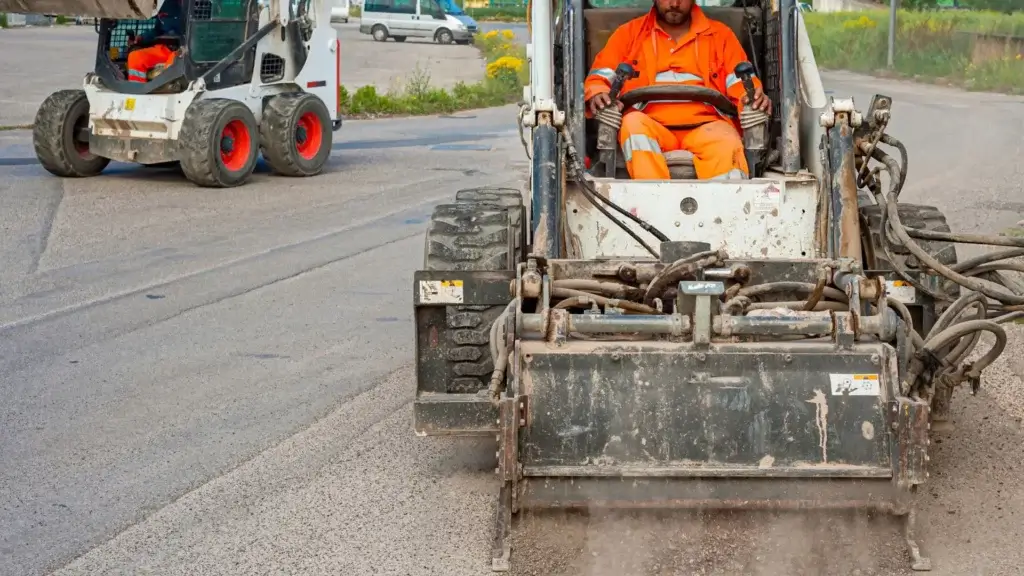
Pavement milling can create a more uniform surface before resurfacing. Milling equipment can remove asphalt to specific elevations and profiles, helping contractors prepare the pavement for the next layer.
For property managers, this can make milling an important part of a larger pavement maintenance strategy. Rather than viewing milling as an isolated repair, it can be used as part of the preparation process for resurfacing and other paving improvements.
3. Milling Can Improve Drainage and Surface Grading
Standing water is more than an inconvenience in a commercial parking lot. Persistent moisture can contribute to pavement deterioration and make certain areas more difficult for vehicles and pedestrians to navigate.
One advantage of pavement milling is that it can help correct certain surface elevations and profiles. Milling equipment with grade control can be used to achieve specific elevations, cross slopes, and profiles.
Improving the surface profile can help create better conditions for water to move away from the pavement rather than collecting in low areas. Before beginning any project, however, the property’s drainage and pavement conditions should be professionally evaluated to determine whether milling is an appropriate solution.
4. It Can Correct Uneven or Worn Areas
Commercial pavement does not always deteriorate evenly. High-traffic entrances, drive lanes, loading areas, and parking spaces may experience more wear than other sections of a property.
This is where pavement milling can provide flexibility. Depending on the project, contractors can remove pavement at different depths and address specific sections rather than treating every part of the property exactly the same way.
Asphalt Icons offers both thin-lift and full-depth pavement removal options, as well as equipment capable of handling smaller milling repairs. This flexibility can be useful when managing properties with varying pavement conditions across the site.
For property managers, identifying the areas that need attention can help create a more targeted maintenance plan.
5. It Supports Long-Term Pavement Durability
The biggest benefit of pavement milling may be how it fits into the overall life cycle of an asphalt surface. Asphalt typically requires maintenance and repairs throughout its useful life, and the appropriate solution depends on the severity and location of the damage.
A commercial property manager may encounter several options, including patching, milling, resurfacing, or complete removal and replacement. The right approach depends on factors such as pavement condition, traffic levels, drainage, the condition of the underlying base, and the extent of deterioration.
Milling can be one step in that process. By removing the appropriate amount of existing asphalt and preparing the surface for additional paving work, it can help address surface deterioration without automatically defaulting to full pavement replacement.
When Should a Property Manager Consider Pavement Milling?
There is no single condition that means every commercial property needs milling. Instead, look for signs such as widespread surface deterioration, uneven pavement, rutting, drainage concerns, or an existing asphalt surface that is being considered for resurfacing.
A professional pavement assessment can help determine whether pavement milling makes sense for the property and how much material may need to be removed. In some cases, repairs or maintenance may be more appropriate. In others, milling followed by resurfacing may be the better option.
The goal is to understand what is happening beneath and across the pavement before deciding on the scope of work.
Frequently Asked Questions
How deep does pavement milling remove asphalt?
The depth can vary depending on the condition of the pavement and the goals of the project. Milling may involve a thin surface removal or a deeper, full-depth application. The appropriate depth should be determined based on the existing pavement and planned improvements.
Is pavement milling better than completely replacing a parking lot?
Not necessarily in every situation. Milling can be a useful option when the existing pavement has surface deterioration but does not require complete removal. If there are significant structural or subgrade problems, more extensive removal and replacement may be necessary.
Can pavement milling be used before an asphalt overlay?
Yes. Milling is commonly used to prepare an existing asphalt surface for resurfacing. Removing deteriorated or uneven material can create a more suitable surface for the new asphalt layer.
If your commercial property’s pavement is showing signs of wear, pavement milling may be worth considering as part of a broader maintenance or resurfacing plan. Asphalt Icons provides professional milling services throughout Central Florida, including pavement removal, profiling, leveling, rock removal, and cleanup.
Ready to determine whether milling is right for your pavement? Contact Asphalt Icons for a milling estimate and discuss your commercial property’s needs with the team.

Sonya, owner of Asphalt Icons, leads a commercial asphalt service company based in Orlando, Florida, with a focus on delivering reliable and professional paving solutions. With an extensive background in the industry, Sonya ensures that Asphalt Icons remains committed to high standards of service, utilizing cutting-edge technology and techniques to meet the diverse needs of their clients. Her leadership emphasizes efficiency, expertise, and customer satisfaction, making Asphalt Icon a trusted partner for commercial asphalt services in the Orlando area.